
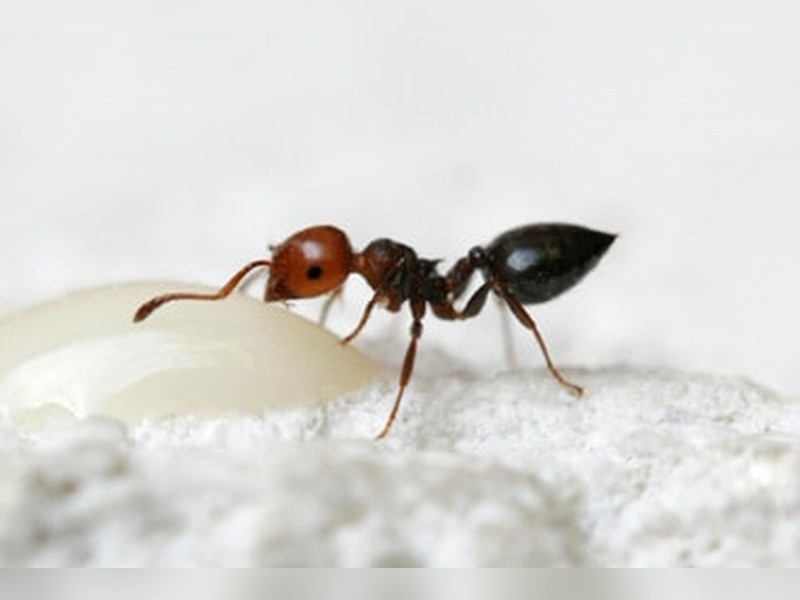
Acrobat Ant
Small tan, brown or black ants that lift their heart-shaped abdomen over their body when disturbed. They nest in moist or rotting wood, so seeing them can point to water damage.
Knowing what you’re dealing with is the first step. Find your pest below, then call us and we’ll handle the rest.
Small tan, brown or black ants that lift their heart-shaped abdomen over their body when disturbed. They nest in moist or rotting wood, so seeing them can point to water damage.
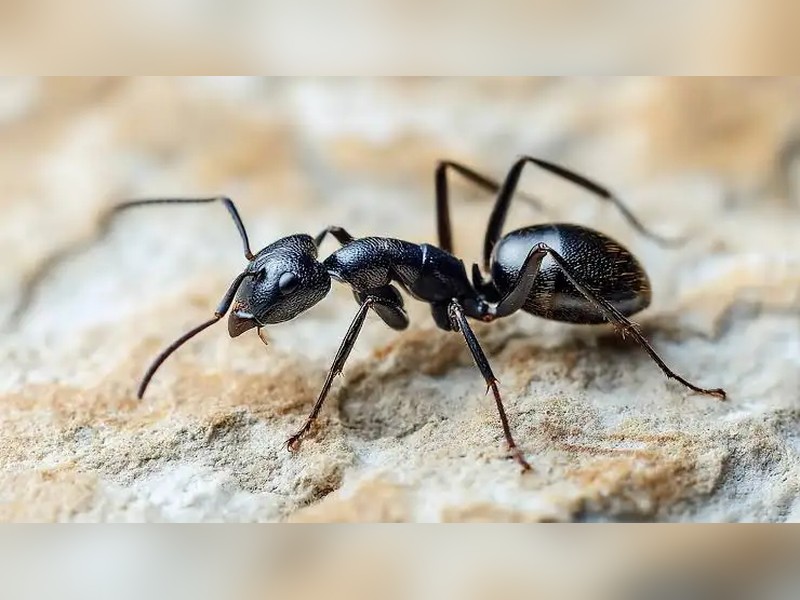
Big black or black-and-red ants that hollow out damp or damaged wood for nests. Smooth tunnels and sawdust-like debris are the giveaway. They do not eat the wood.

Small dark ants that smell like rotten coconut when crushed. They trail to sweets in kitchens and often nest inside wall voids or under sinks.
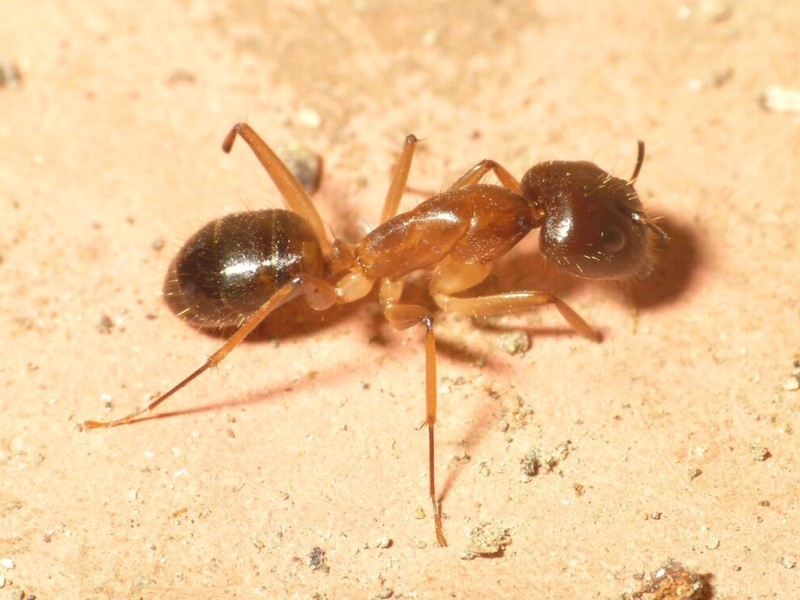
Small dark brown ants with fine lines on the head and body. They nest under slabs, sidewalks and foundations and leave tiny soil piles along cracks.
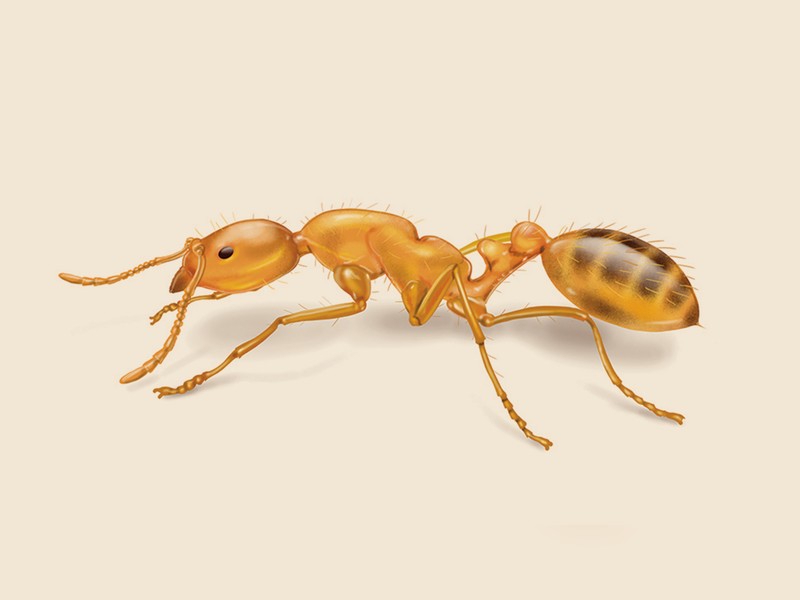
Tiny yellow-to-light-brown ants that split into many nests in warm buildings. They go for sweets and grease and are tough to clear without a professional plan.

Black with a white face. They build large gray, football-shaped paper nests hanging from trees and eaves and defend them fiercely.
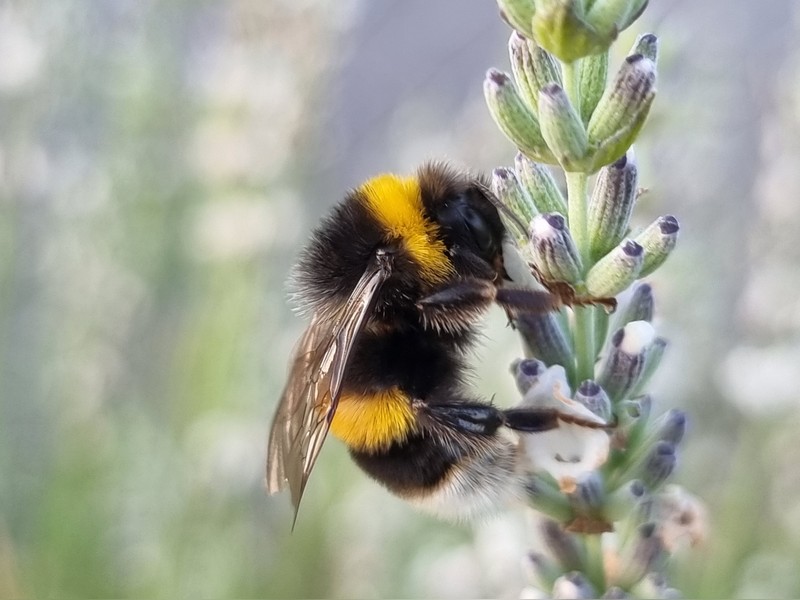
Large, fuzzy and yellow-and-black. Valuable pollinators that nest in the ground or sheltered cavities and usually only sting if the nest is disturbed.
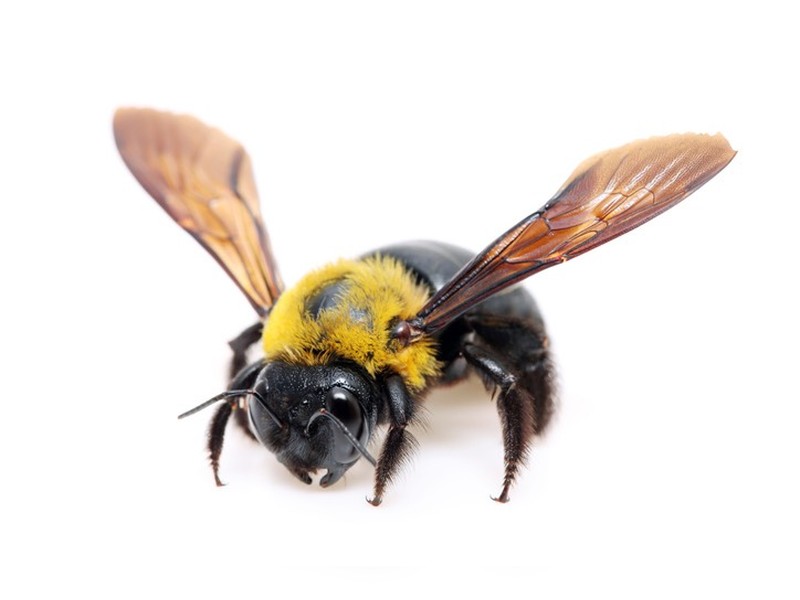
Look like bumble bees but have a shiny, bare black abdomen. They drill neat round holes into exposed wood, leaving piles of sawdust below.
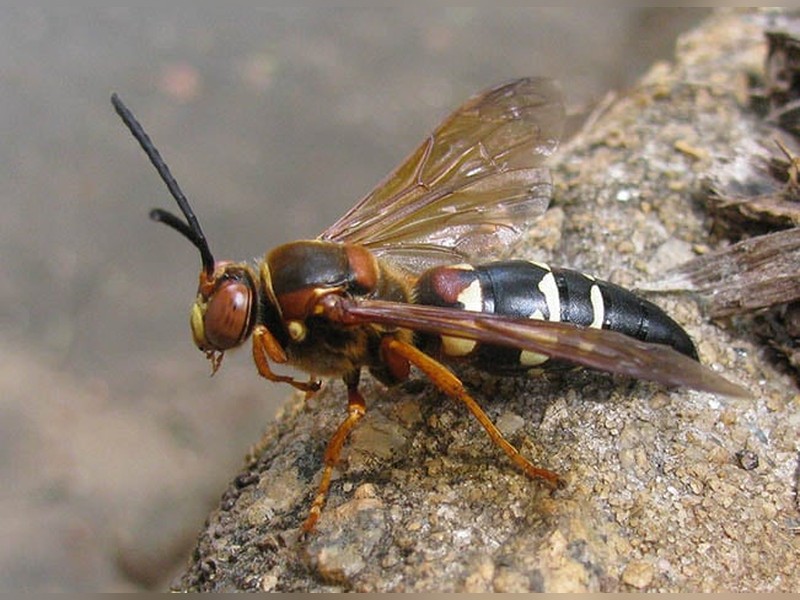
Very large black wasps with yellow markings that dig burrows in sandy soil. They look scary, but they are rarely aggressive toward people.

Golden-brown, fuzzy bees with darker bands. They live in big colonies in hollow trees and wall voids and are important pollinators, so a hive is best handled by a professional who can arrange safe removal.

Slim, long-legged wasps that build open, umbrella-shaped nests under eaves, railings and porch ceilings. They sting when the nest is threatened.
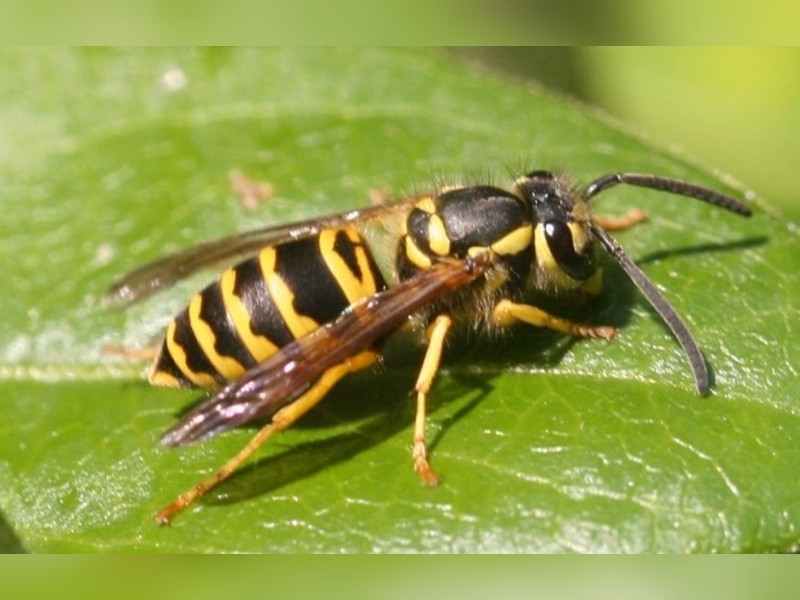
Compact, bright yellow-and-black wasps that nest in the ground or wall voids. They are especially pushy in late summer and can sting repeatedly.

Round beetles from orange to red, with or without spots. In fall they crowd onto sunny sides of light-colored buildings and move inside to overwinter.
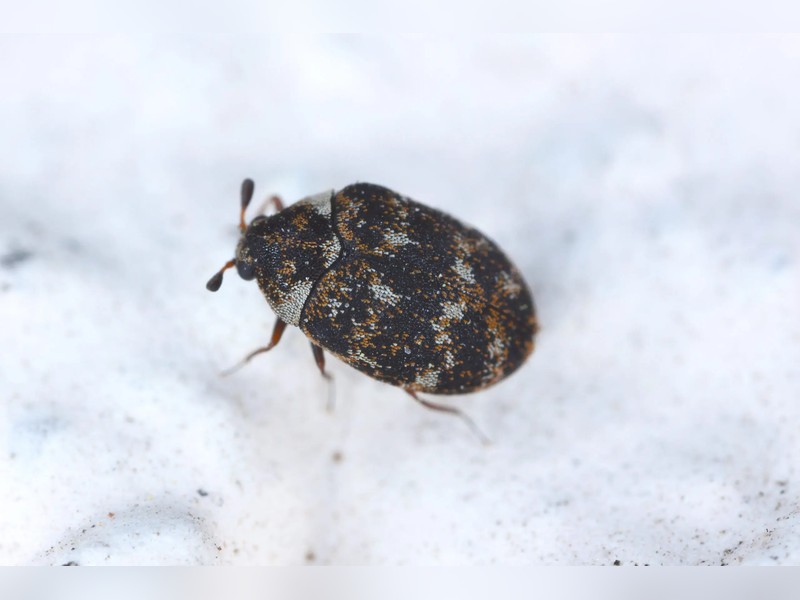
Tiny oval, speckled beetles. The fuzzy larvae are the problem, feeding on wool, fur, feathers, carpet and stored items.

Small reddish-brown beetles found in flour, cereal and baking mixes. Nearly identical to red flour beetles, and handled the same way.

Small reddish-brown pantry beetles that infest flour, grains and dry goods. Tossing infested items and cleaning shelves is the first step.

Metallic green with coppery wing covers and small white tufts along the sides. Adults eat leaves and flowers; the grubs damage lawns.
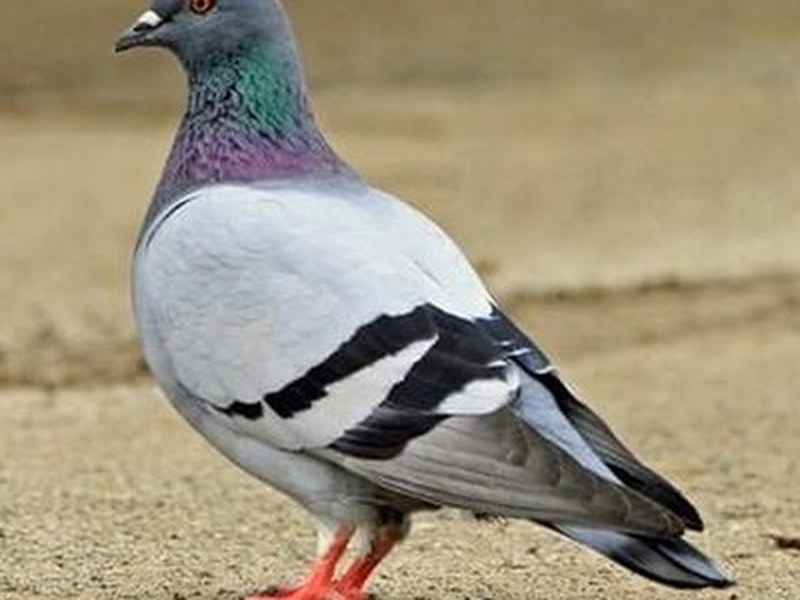
Gray with an iridescent neck and two dark bars on each wing. They roost on ledges and rafters, and their droppings damage property and can spread disease.

Small, stocky brown-and-gray birds; males have a black bib. They stuff messy nests into vents, signs and eaves.

Glossy dark birds, speckled in winter, with a yellow bill in spring. They gather in big flocks and nest in vents and wall openings.
Only a handful of the many cockroach species ever move in with people. These are the ones we see most often, and telling them apart helps decide how to treat them.

The largest of the common roaches, reddish-brown with a pale band around the head. Likes warm, damp places like basements and drains.

Light brown and strong fliers that are drawn to lit windows and patios at night. They live outdoors in mulch and lawns.

Small and tan with two pale bands across the wings. They spread through the whole house, often hiding high up or behind furniture.
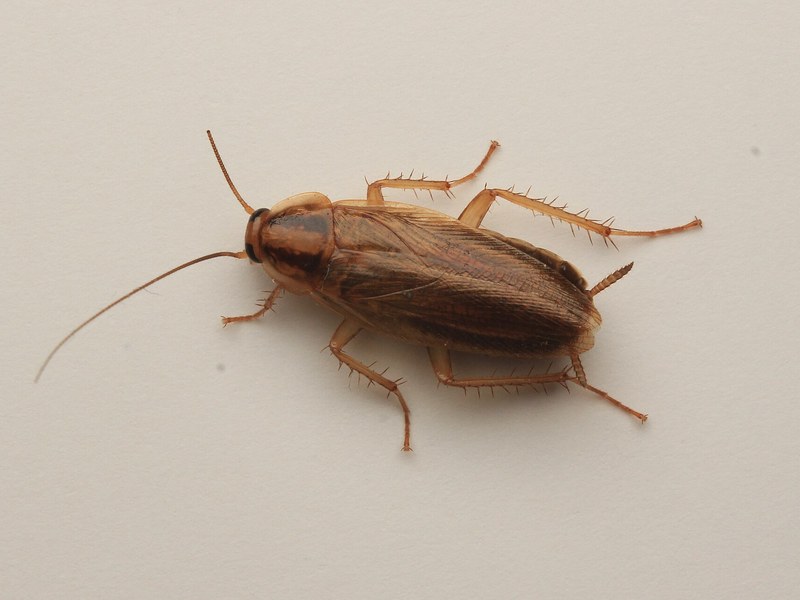
Small and light brown with two dark stripes behind the head. The most common indoor roach and a fast breeder in kitchens and baths.
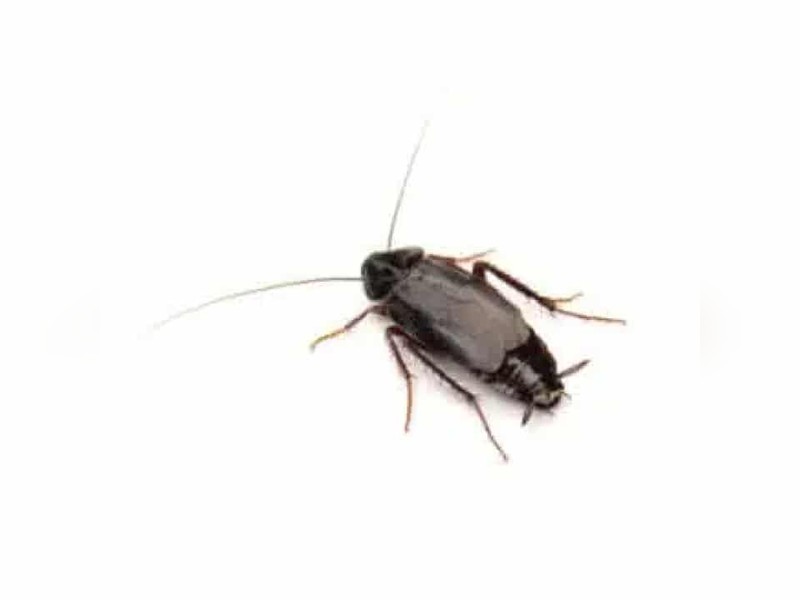
Shiny, dark and slow-moving. Often called water bugs, they favor cool, damp spots such as drains, crawl spaces and basements.

Glossy mahogany roaches that live outdoors in trees and mulch and fly indoors on warm, humid nights.
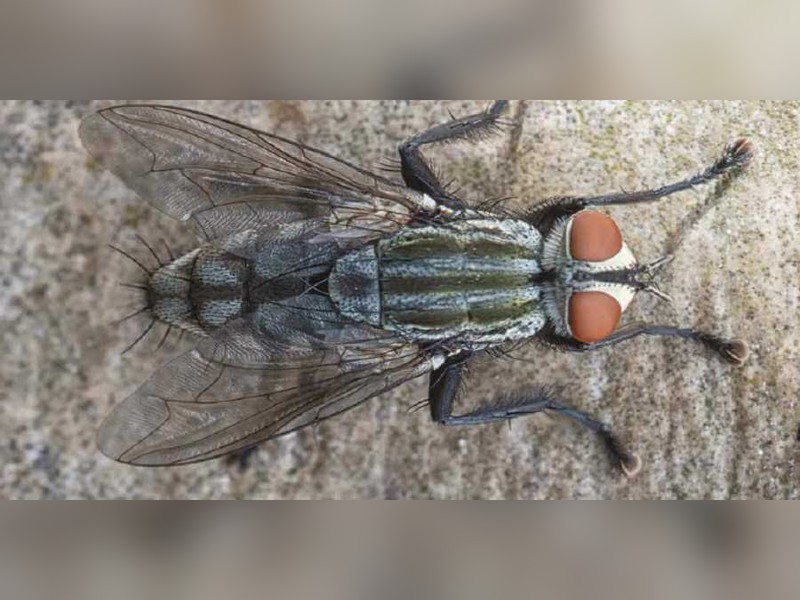
Larger and slower than a house fly, with golden hairs on the thorax. They gather in attics and walls in fall and wake up on warm winter days.
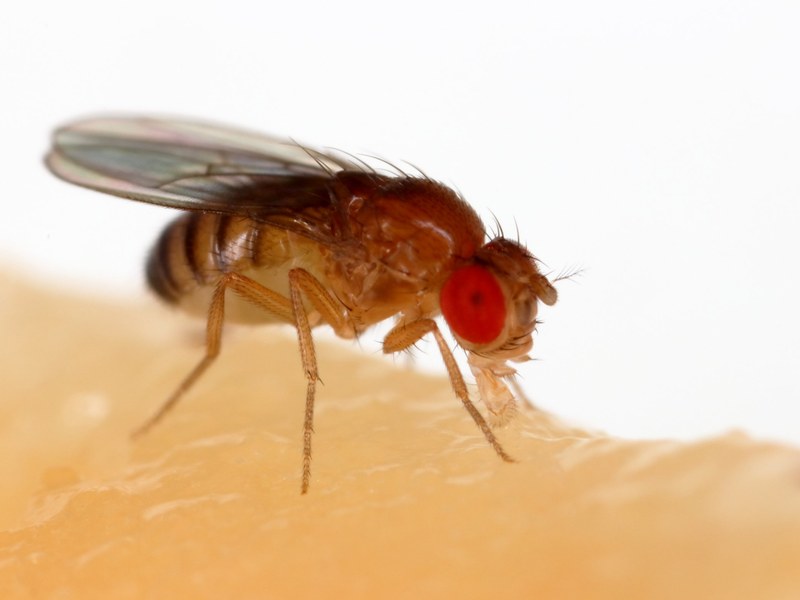
Tiny tan flies, often with red eyes, that breed in ripe produce, drains and trash.
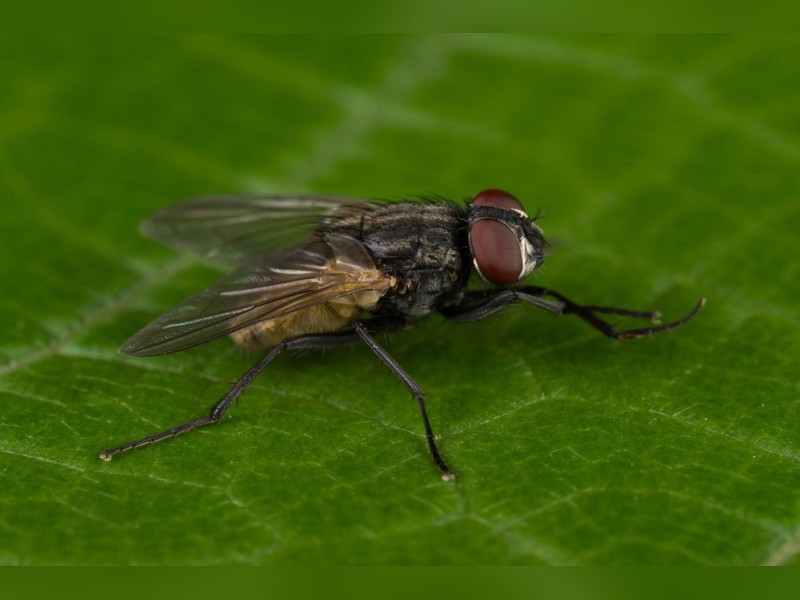
Gray flies with four dark stripes behind the head. They breed in trash and waste and can carry germs onto food.
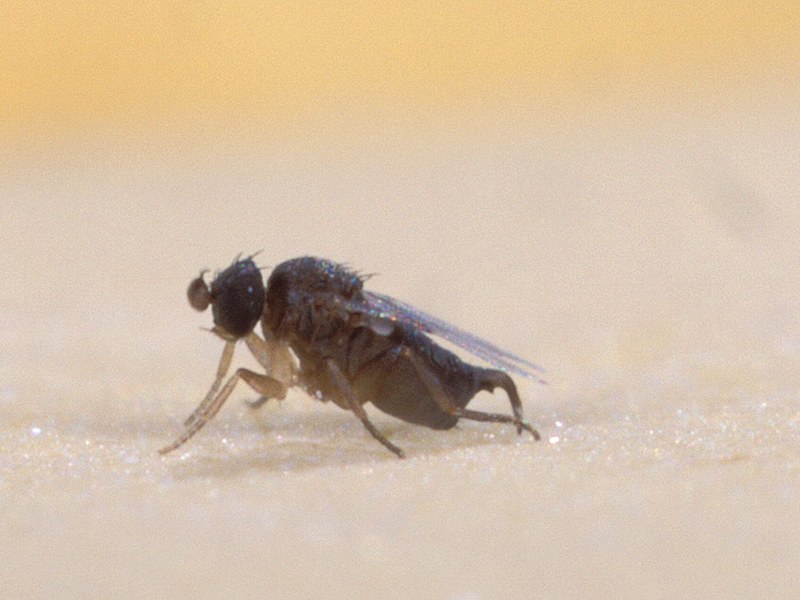
Small, dark and humpbacked, they run in quick bursts instead of flying. They breed in drains, damp debris and leaking pipes.
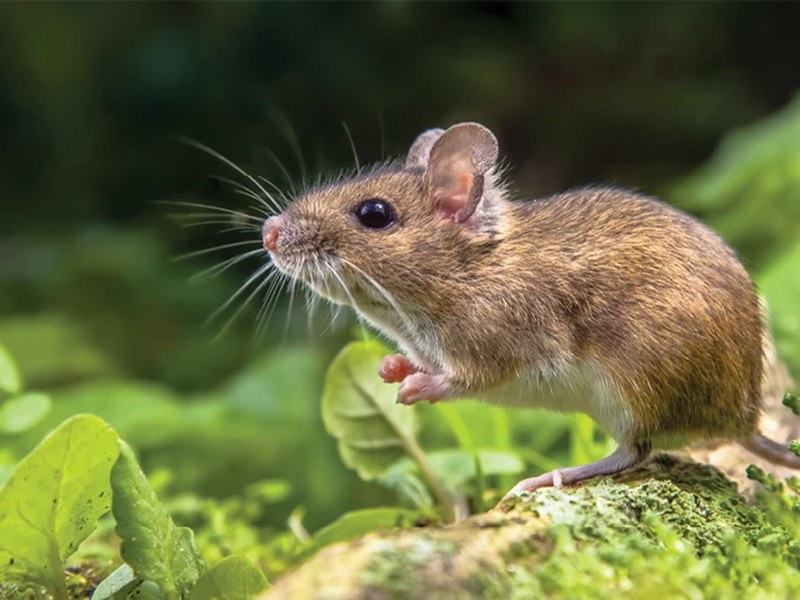
Brown on top with a white belly and feet, big eyes and a two-toned tail. They nest in sheds, cabins and woodpiles, and their droppings can carry disease.
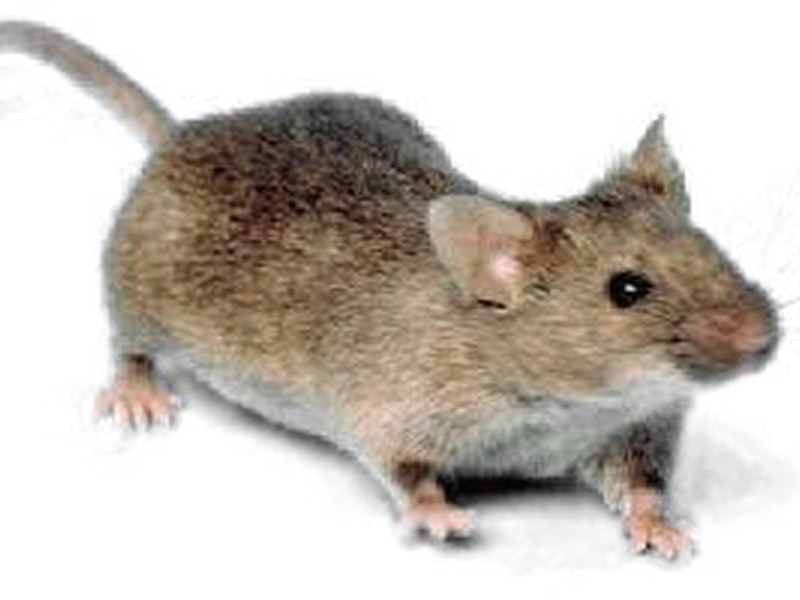
Small gray-brown mice with pointed noses and large ears. They breed fast, chew wiring and leave small, rod-shaped droppings.

Large, heavy-bodied brown rats with a blunt nose and a tail shorter than the body. They burrow along foundations and gnaw almost anything.
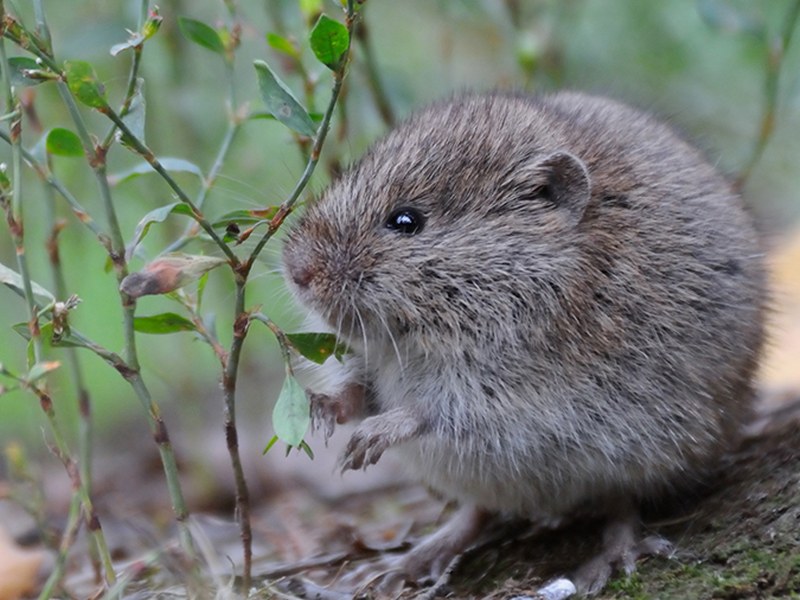
Stocky little rodents with short tails and small eyes. They tunnel through lawns and gardens and gnaw bark on young trees.
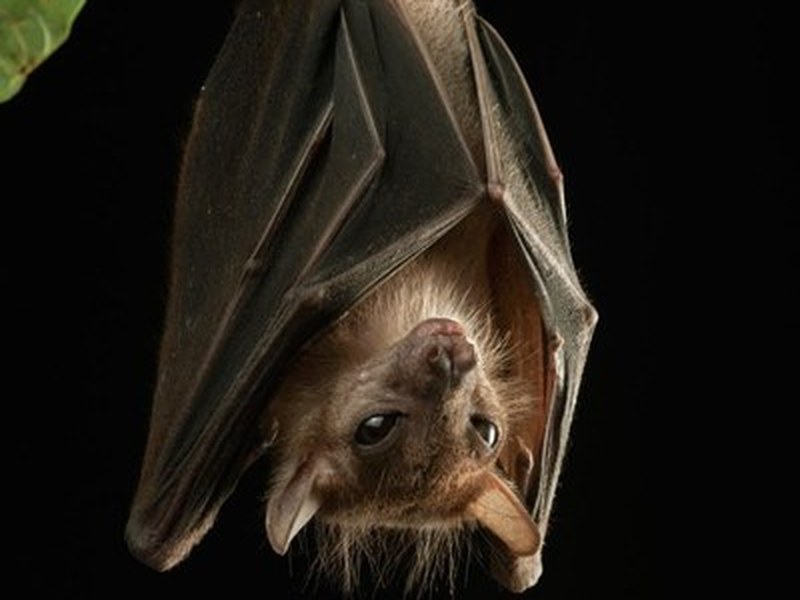
The only mammals that truly fly. They roost in attics and eaves, and are protected, so they need to be removed humanely and at the right time of year.
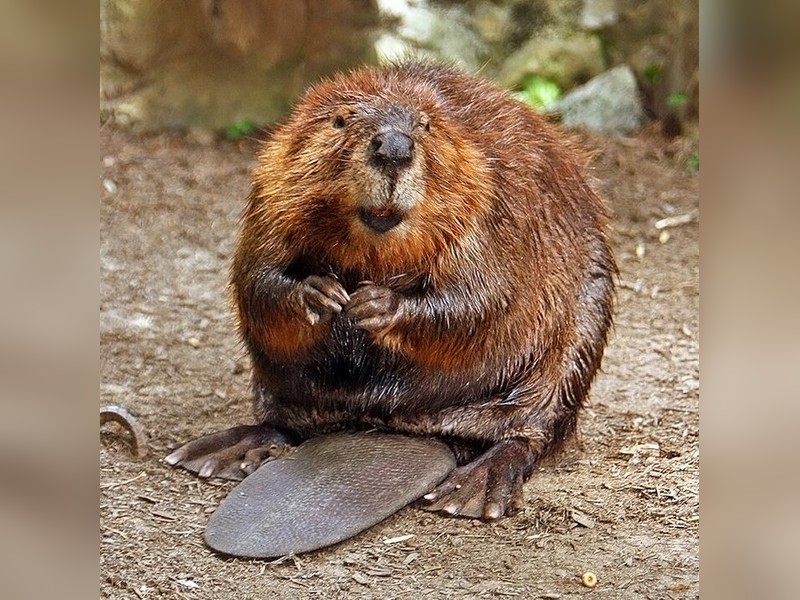
Large semi-aquatic rodents with a flat tail. They fell trees and dam streams, which can flood property.
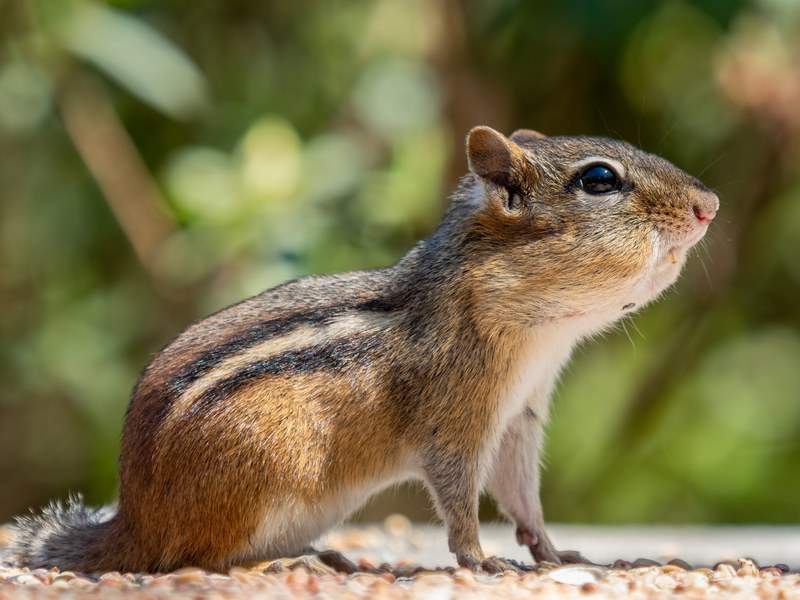
Small striped rodents that burrow beside foundations, patios and walkways.
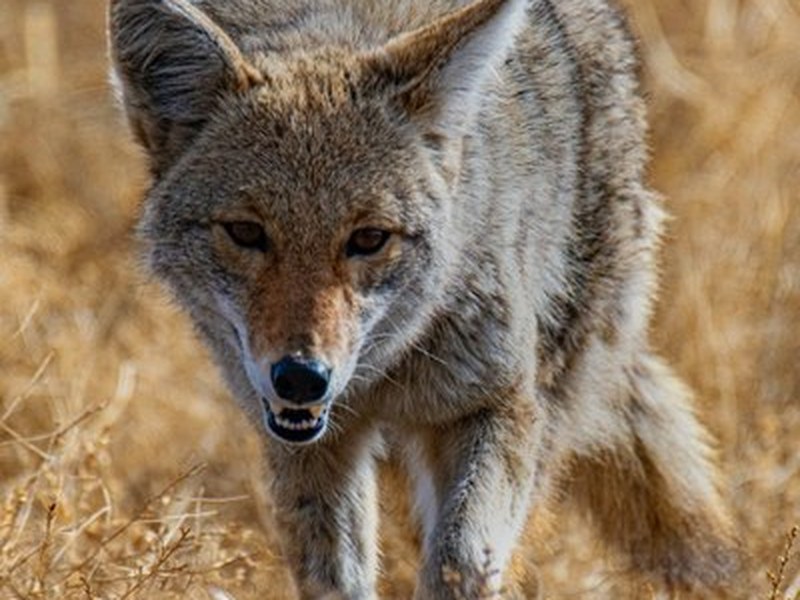
Gray-tan, dog-like animals that have adapted to suburbs. They can be a risk to small pets.

Also called woodchucks. Heavy-bodied diggers that burrow under decks and sheds and strip gardens.
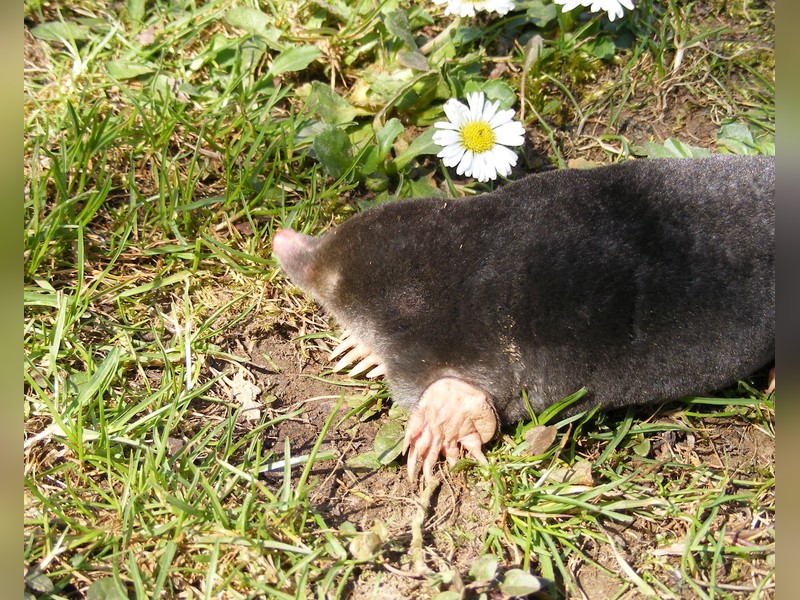
Velvet-furred diggers with tiny eyes and big front paws. They leave raised tunnels and mounds across lawns while hunting grubs.

Semi-aquatic rodents with a long, scaly tail. They burrow into pond and stream banks.
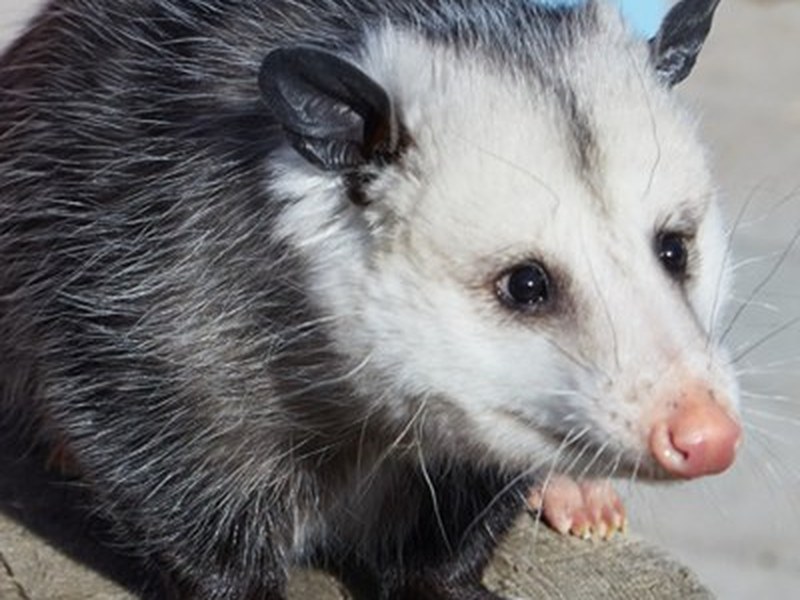
Gray with a pale face and a bare tail. They are active at night, raid trash and pet food, and sometimes play dead.

Easy to spot by the black mask and ringed tail. Strong and clever, they tear shingles to reach attics, den in chimneys and raid garbage.
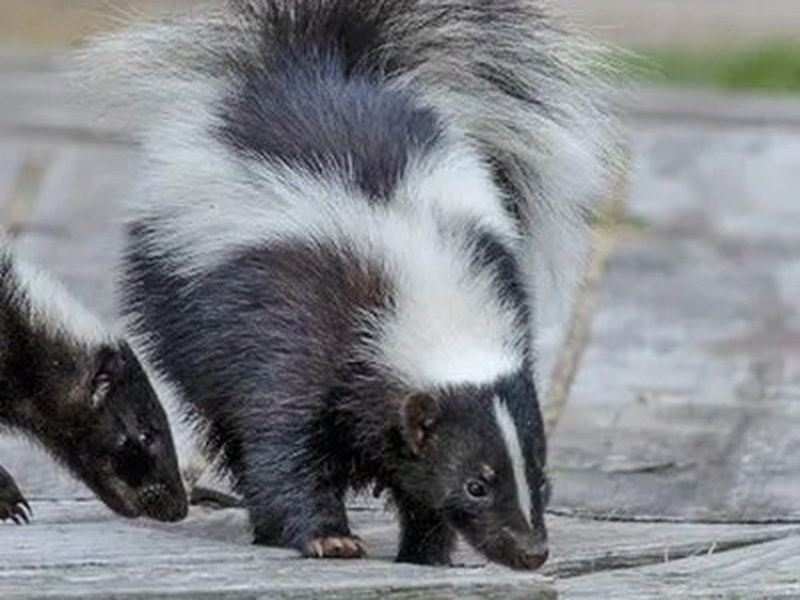
Black with white stripes and well known for their spray. They den under porches and dig up lawns looking for grubs.
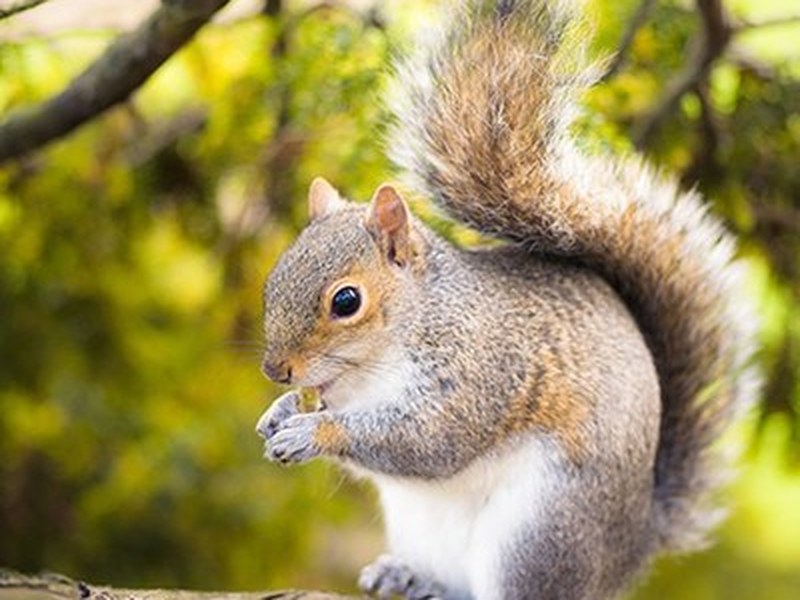
Tree squirrels nest in attics and soffits and chew wiring and wood trim.
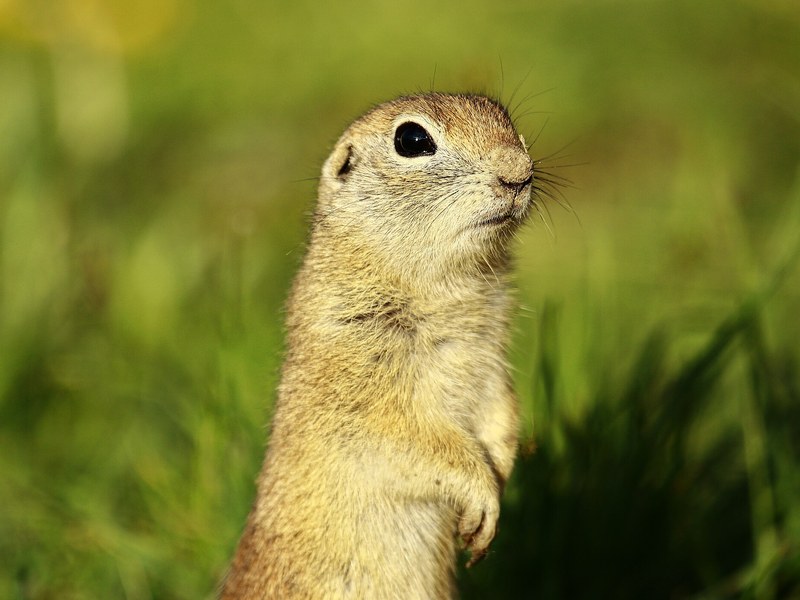
Smaller, often striped squirrels that burrow in lawns, gardens and along walkways.

Slim snakes with light stripes running down the body. Harmless, they eat slugs, worms and frogs, and will release a musky smell if grabbed.

Large yellowish-brown snakes with dark blotches, often mistaken for rattlesnakes. They are not venomous and help control rodents.
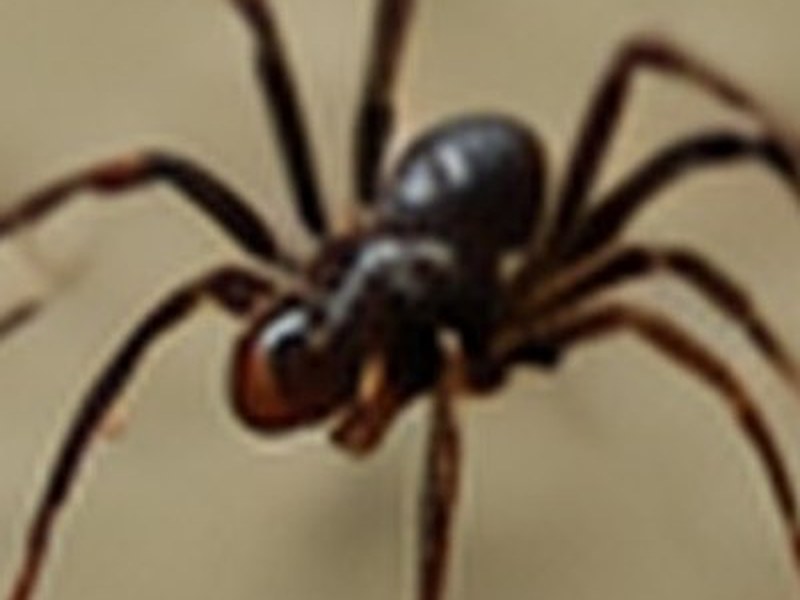
Spiders have eight legs and no wings or antennae. Most are harmless and eat other insects; only a few have bites that matter to people. If you are bitten, see a doctor.
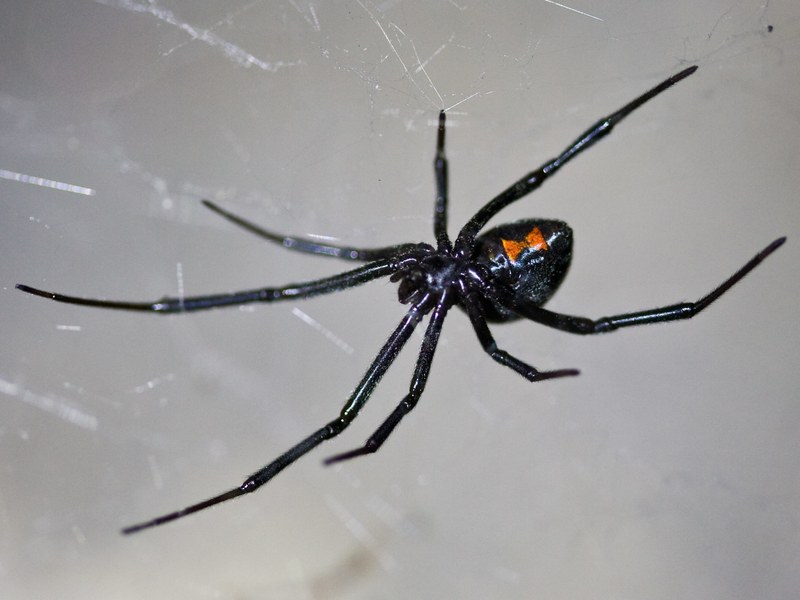
Shiny black with a red hourglass underneath. They build tangled webs in dark, sheltered spots like woodpiles, meter boxes and garages.

Tan to brown with a darker violin-shaped mark. Shy spiders that hide in boxes, closets and storage areas.

Common brown-and-gray spiders that spin messy webs in corners. Harmless to people.
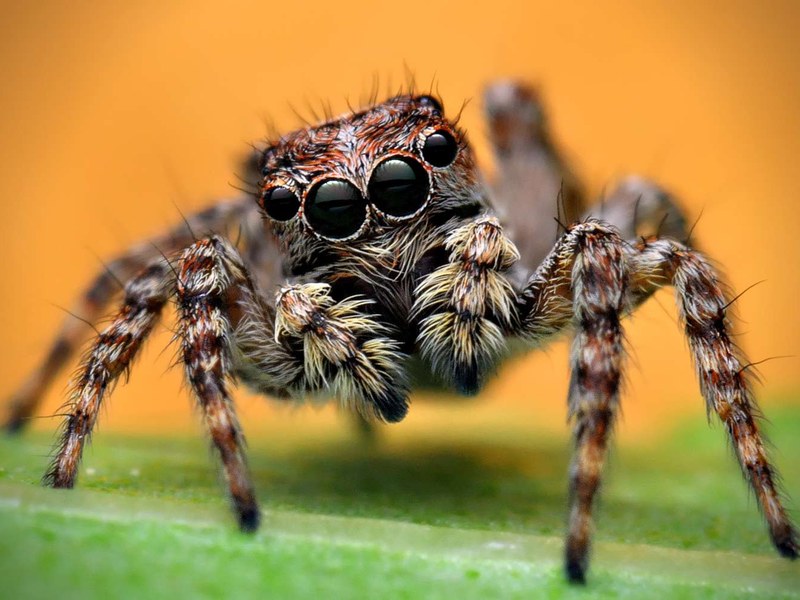
Compact and fuzzy with sharp eyesight. They hunt by pouncing rather than spinning webs.

Pale yellow to greenish spiders that make silk sacs along ceilings and wall corners. They may bite if pressed against skin.
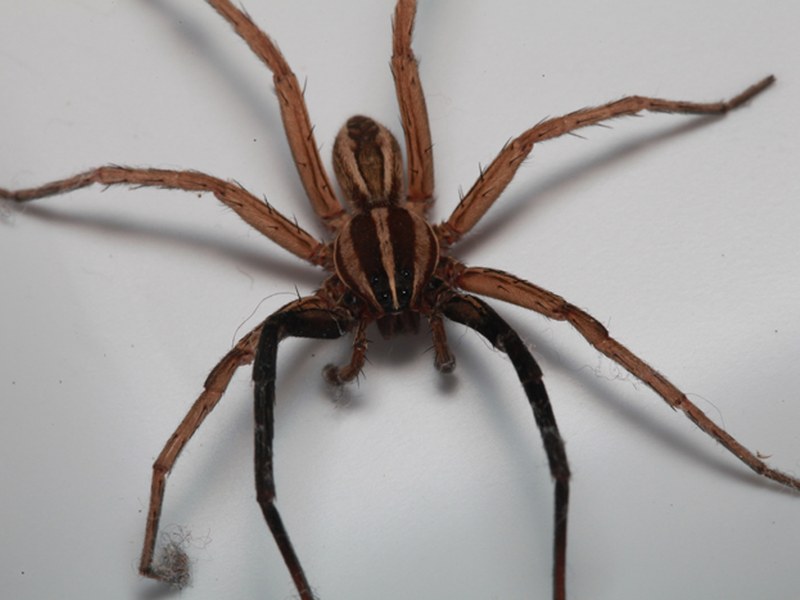
Large, hairy ground hunters that do not spin webs for catching prey. Often mistaken for more dangerous spiders.
Large black ants that carve out damp wood for their nests. Sawdust-like debris near wood or trim is a warning sign.
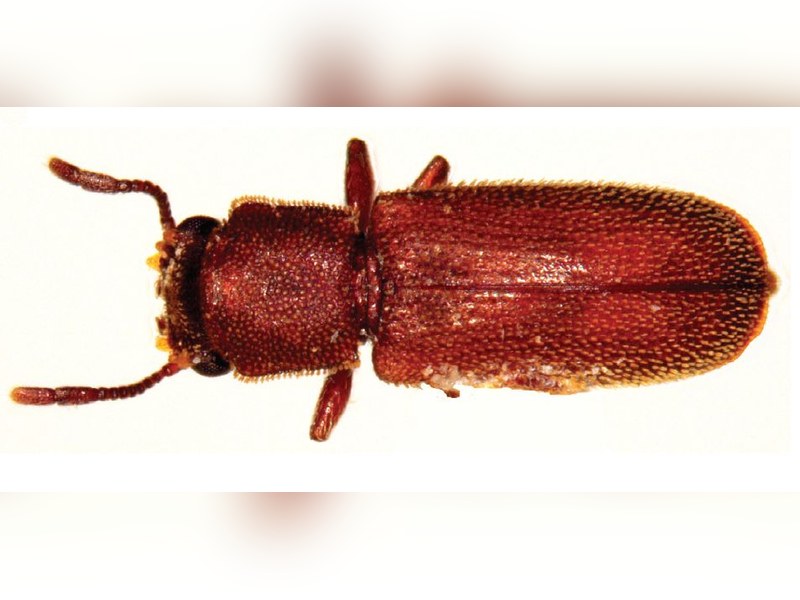
Small reddish-brown beetles whose larvae tunnel through hardwood, leaving tiny round exit holes and fine, flour-like dust.
Pale, soft-bodied insects that eat wood from the inside out. Mud tubes on foundations and discarded wings are common signs.
Flat, reddish-brown and about the size of an apple seed. They hide in mattress seams and bed frames and bite at night. They travel in luggage and used furniture.
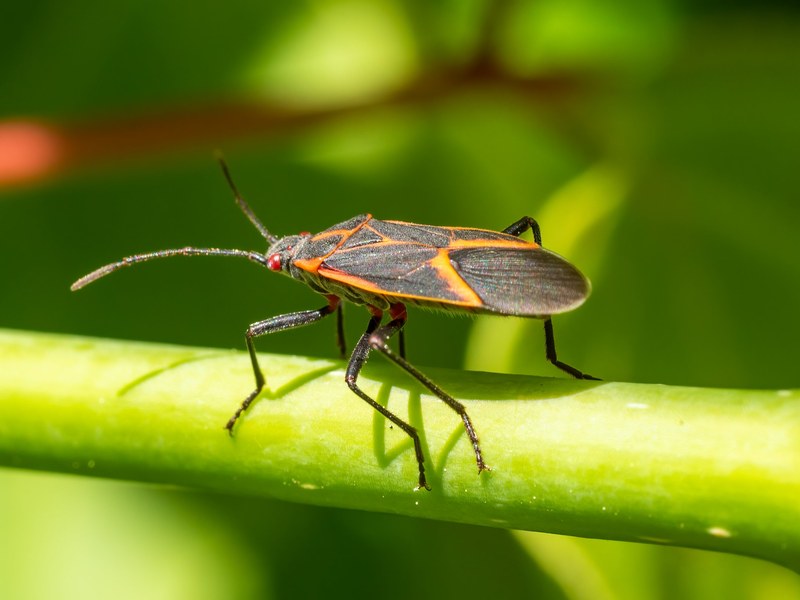
Black with red-orange markings. They collect on sunny walls in fall near boxelder and maple trees and slip inside through gaps.
Fast, many-legged predators with one pair of legs per body segment. They hunt other pests in damp areas.
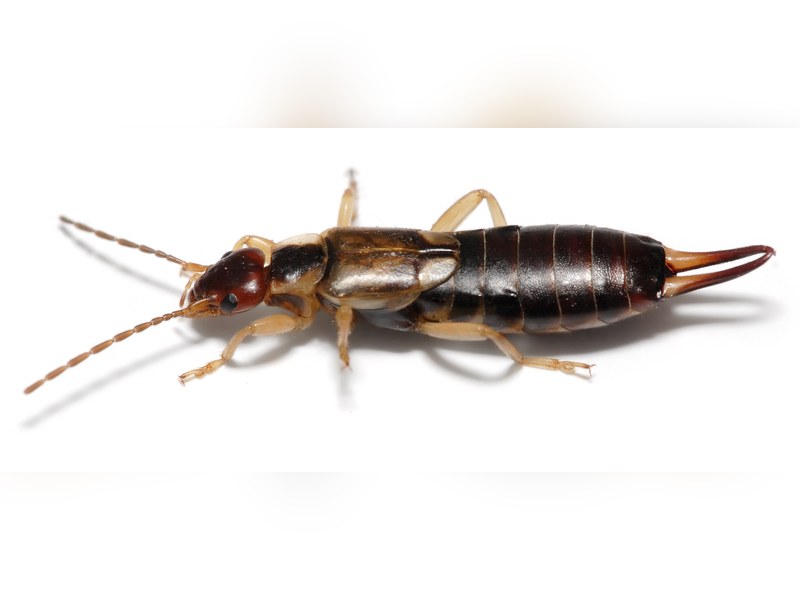
Reddish-brown with pincers at the tail end. They hide in damp, dark spots by day and wander in at night.
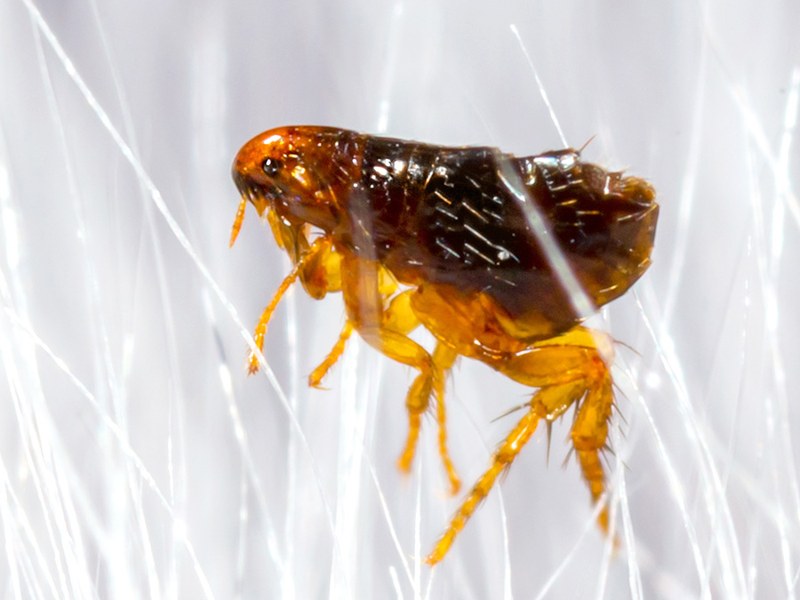
Tiny, dark jumping insects that bite pets and people. They usually arrive on pets or wildlife.
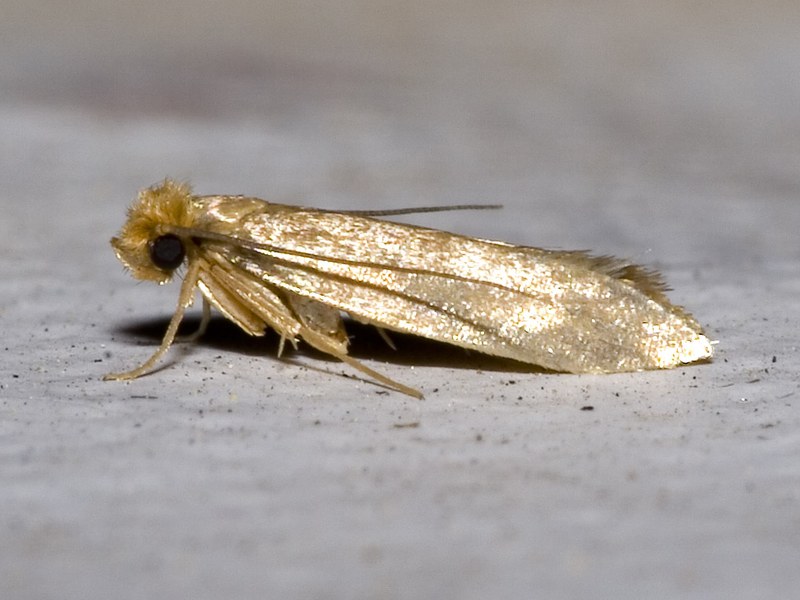
Small buff-colored moths that avoid light. The larvae damage wool, fur and other natural fabrics.

Pantry moths with coppery wing tips. The larvae spin webbing in grains, pet food and dried fruit.
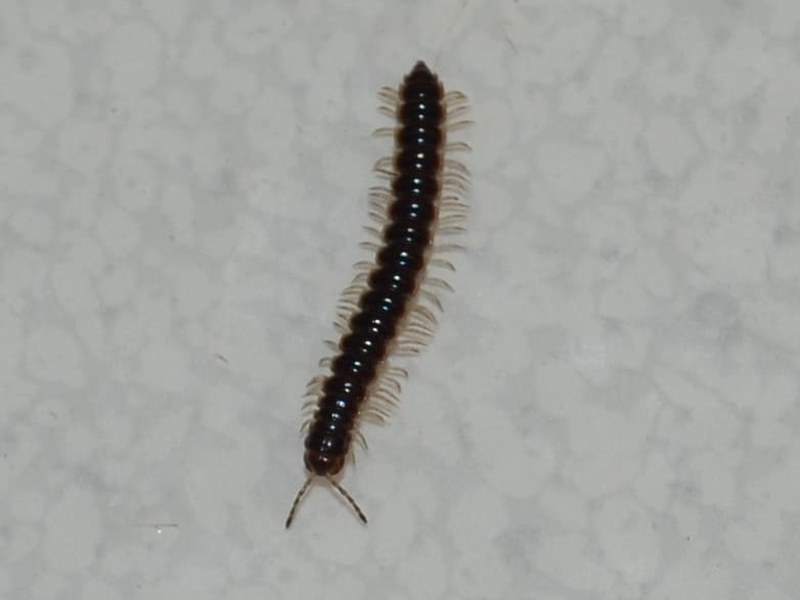
Rounded, slow-moving and two pairs of legs per segment. They curl up when touched and often invade after heavy rain. They do not bite.
Silvery, carrot-shaped and fast. They like damp places and chew paper, glue and starchy items.
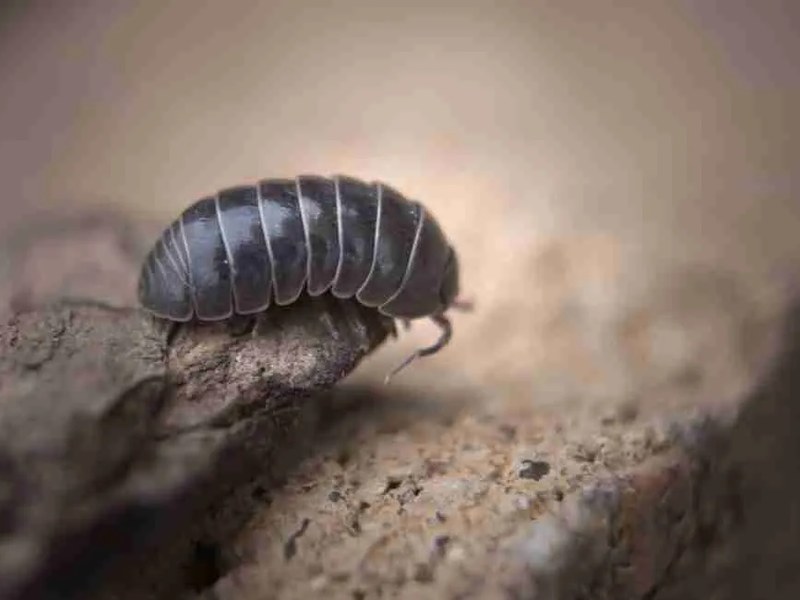
Gray, oval and armored; some roll into a ball. They need moisture and often turn up in basements and along foundations.
Call us and we’ll help you figure out what it is and how to get rid of it.